
How OEMs Can Transfer a Complex Manufacturing Program to a New Supplier
Transferring a complex manufacturing program to a new supplier might feel like a significant undertaking. For OEMs, this decision often comes when a program is expanding and requires additional capacity or when an existing supplier is no longer meeting the program’s needs.
Either way, changing suppliers involves more than sending over a BOM, models, and prints. The new supplier needs to understand the program’s current requirements and what will be required to support it over time.
At Athena Manufacturing, that information helps us determine how to quote the work and make the right plans and investments from the start.
Start with a Complete Quote
Complex programs can involve multilevel BOMs, multiple components, materials, purchased parts, secondary processes, and assembly requirements. Accounting for these details upfront helps prevent surprises later.
Athena uses Paperless Parts to organize and manage the quoting process, allowing our team to work through complex packages efficiently and collaboratively. Our team can evaluate different aspects of a project at the same time, helping us return quotes quickly without overlooking important details.
A thorough quote also sets production up for success. Reviewing the models, BOM, prints, materials, and requirements before production begins reduces the risk of discovering overlooked requirements later.
Give Your Supplier the Bigger Picture
The BOM and drawing package tell a manufacturer what needs to be built. They don’t always explain why the program is being transferred or where it’s going next.
OEMs should share information about expected production volumes, future demand, program growth, and the anticipated duration of the program as early as possible.
On our end, understanding that outlook can influence how we approach the program from the start. Our strategies for a long-term, high-volume program are quite different from our approach on one-time builds. The more we understand a program’s potential, the better we can prepare to support it.
Look for Broad Capabilities Under One Roof
Complex programs often require a range of services. A supplier may need to manage fabrication, machining, assembly, finishing, coatings, plating, and other processes across a single platform. Every additional handoff creates another schedule to coordinate and another opportunity for communication to break down.
Athena Manufacturing brings machining, fabrication, and assembly capabilities together under one roof. We also work with established outside service partners for processes such as coatings and plating when they’re required. This gives our team a more complete view of the program and simplifies the supply chain for the customer.
Make Sure Your Manufacturing Partner Can Support Your Timeline
Lead time is another important consideration when transferring a program. A supplier needs enough engineering and production capacity to absorb new work without creating another bottleneck.
At Athena, we’ve significantly expanded our engineering team over the past year, helping us improve throughput and reduce lead times. We’re currently seeing lead times of approximately eight weeks on many programs, depending on the availability of raw materials and purchased components.
Quality Should Scale with the Program
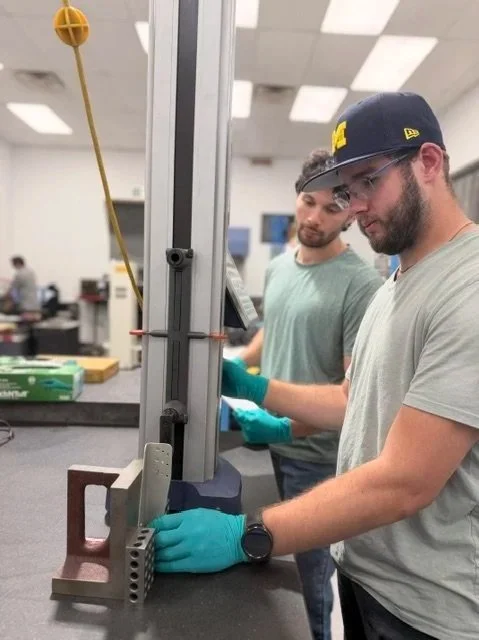
When a complex program moves to a new supplier, quality processes need to be established from the beginning.
Athena is AS9100 certified, with the processes and controls that support consistent production for demanding industries. These processes help maintain consistency as volumes increase and requirements evolve.
Consider Your Partner’s Expertise and Workforce
Complex programs require experienced engineers, machinists, assemblers, quality professionals, and other skilled employees to scale effectively.
Athena has invested heavily in building that pipeline through relationships with local high schools, internship programs, apprenticeship opportunities, and internal workforce development. These efforts give us a foundation for adding capacity as customer demand grows.
Share the Program’s Future Potential Early
Context is one of the most useful things an OEM can provide during a supplier transition. If a program could grow from hundreds of parts to thousands, or from a prototype to long-term production, the supplier needs to know. That information can influence the production strategy from the beginning, determining fixturing, staffing, purchasing, automation, and process development logistics.
For OEMs considering a supplier transition, the best place to start is with an open conversation about what needs to be produced, expected volumes, current challenges, and where the program is headed. The earlier that information is shared, the more opportunity a new manufacturing partner has to prepare for the program’s future.
Looking to transfer an existing project to Athena Manufacturing? Let’s start the conversation.